

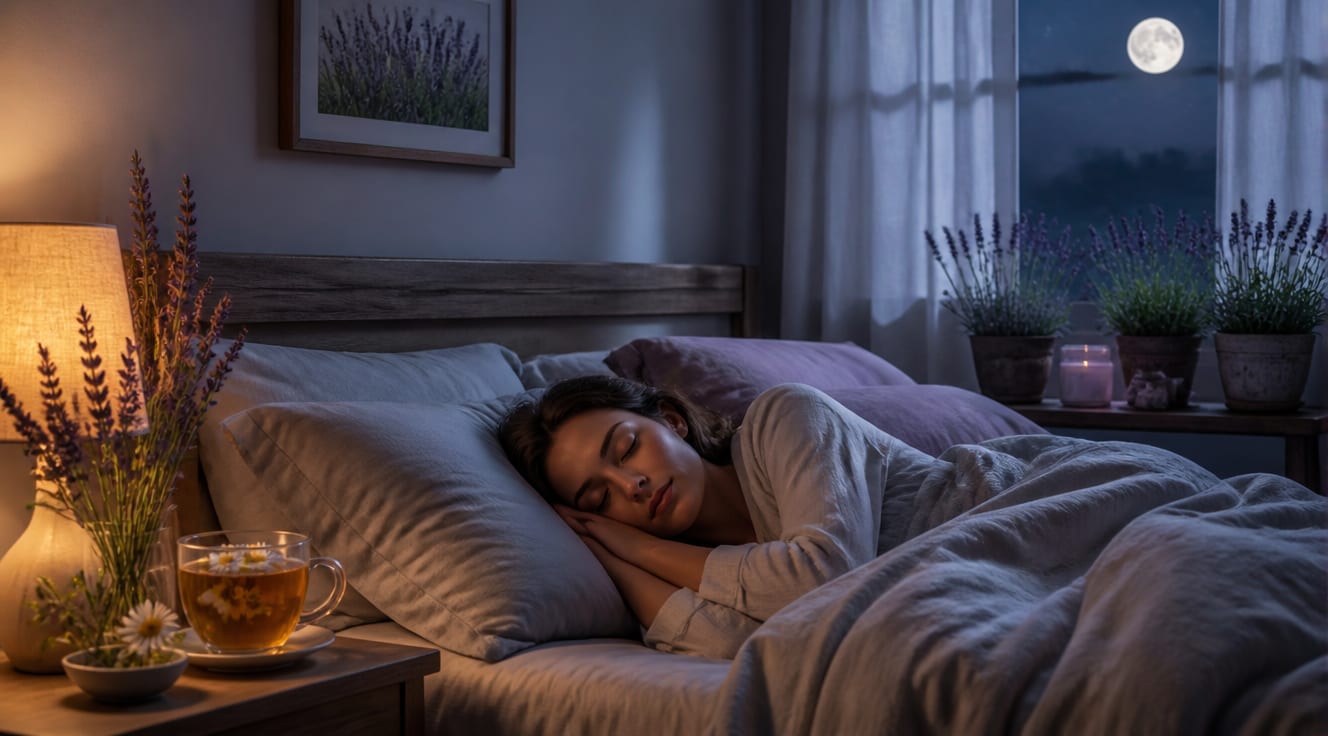
Dealing with insomnia without sleeping pills starts with understanding that your sleep environment, daily habits, and mental state all play a decisive role in whether you fall asleep easily or lie awake for hours. Millions of adults struggle with sleepless nights, and most can achieve meaningful improvements through evidence-based behavioral strategies, structured routines, and targeted lifestyle changes that address the root causes rather than mask the symptoms
According to the Centers for Disease Control and Prevention, roughly 70 million Americans live with chronic sleep disorders, and the journal Sleep Health reports that about 30% of adults experience short-term insomnia symptoms each year. Yet many of these people reach for over-the-counter pills or prescription medications as a first response, often without addressing the underlying triggers. The good news is that clinical research consistently shows behavioral and lifestyle interventions can outperform medication for long-term relief
Why Sleeping Pills Aren’t the Only Answer for Insomnia
Prescription and over-the-counter sleep aids can provide short-term relief, but they come with well-documented drawbacks. A 2023 review published in The BMJ found that benzodiazepines and Z-drugs increase the risk of falls, cognitive impairment, and dependence when used beyond four weeks. The American Academy of Sleep Medicine now recommends Cognitive Behavioral Therapy for Insomnia (CBT-I) as the first-line treatment for chronic insomnia, ahead of any pharmacological option
If you want to learn how to deal with insomnia without sleeping pills, you need to shift your focus from suppressing symptoms to retraining your nervous system, your habits, and your sleep-wake cycle. This approach takes more effort than swallowing a tablet, but the results are durable and free of side effects
What Causes Insomnia When You’re Not Taking Medication
Insomnia rarely has a single cause. It usually develops from a combination of factors that reinforce each other over time
- Hyperarousal Elevated cortisol, anxiety, or racing thoughts that keep the brain alert at night
- Poor sleep hygiene Irregular bedtimes, screen exposure before sleep, and caffeine after 2 p.m
- Conditioned wakefulness Your brain has learned to associate the bed with frustration instead of rest
- Underlying conditions Sleep apnea, restless leg syndrome, chronic pain, or hormonal changes
- Behavioral patterns Long daytime naps, late meals, or inconsistent morning wake times
Identifying which factors apply to you is the first step toward choosing the right non-drug strategy
The 7 Most Effective Non-Drug Strategies for Insomnia
Research from the National Institutes of Health and the Mayo Clinic points to a small set of interventions with the strongest evidence base. Below are the seven most reliable methods to deal with insomnia without sleeping pills
- Cognitive Behavioral Therapy for Insomnia (CBT-I): A structured 6-8 week program that reshapes thoughts and behaviors around sleep. Success rates reach 70-80% in clinical trials
- Sleep restriction therapy You temporarily limit time in bed to match actual sleep duration, building stronger sleep pressure
- Stimulus control Use the bed only for sleep and intimacy; get up if you cannot sleep within 20 minutes
- Consistent sleep-wake schedule Wake at the same time every day, including weekends, to stabilize your circadian rhythm
- Light exposure management Get bright light within 30 minutes of waking and dim screens 1-2 hours before bed
- Relaxation techniques Progressive muscle relaxation, paced breathing (4-7-8 method), and body scans reduce physiological arousal
- Dietary and supplement adjustments Reduce caffeine, alcohol, and heavy late meals; consider magnesium glycinate or low-dose melatonin under medical guidance
Sleep Hygiene vs. Sleep Restriction: Which Works Better
Many people confuse general sleep hygiene advice with clinical interventions. They are not the same. The table below compares the two approaches so you can decide where to start
| Feature | Standard Sleep Hygiene | Sleep Restriction Therapy |
|---|---|---|
| Primary goal | Promote healthy sleep habits | Build strong sleep pressure by limiting time in bed |
| Best for | Mild or occasional sleep problems | Chronic insomnia with fragmented sleep |
| Time to results | 2-4 weeks | 3-6 weeks |
| Evidence level | Moderate (helpful but rarely sufficient alone | High (one of the most effective CBT-I components |
| Requires tracking | No | Yes, a sleep diary is essential |
| Side effects | None | Initial daytime sleepiness, which fades |
For most people with persistent insomnia, sleep restriction delivers faster and more lasting results than generic sleep hygiene tips alone
A Real-World Example: How One Professional Rebuilt Her Sleep in 6 Weeks
Consider Sarah, a 42-year-old marketing director who had relied on zolpidem for two years. After reading about dependency risks, she tapered off under medical supervision and enrolled in a digital CBT-I program. Her plan included a fixed 6:30 a.m. wake time, a 30-minute wind-down routine, no screens after 9 p.m., and a strict “out of bed if awake” rule. By week three, her sleep onset latency dropped from 65 to 22 minutes, and by week six she averaged 7 hours of consolidated sleep without any medication. Her case mirrors findings from a 2021 JAMA Psychiatry study, where 73% of CBT-I participants became good sleepers within six weeks
This example illustrates a key principle: dealing with insomnia without sleeping pills is rarely about one trick. It is about layering small, consistent changes that retrain your sleep system
When to See a Doctor About Insomnia
Natural sleep remedies are powerful, but they are not a substitute for medical evaluation in certain situations. Schedule a visit if you experience any of the following
- Loud snoring, gasping, or witnessed pauses in breathing during sleep
- Insomnia that persists longer than three months despite consistent self-help efforts
- Daytime sleepiness severe enough to impair driving or work safety
- Symptoms of depression, anxiety, or unresolved chronic pain
- Restless sensations in the legs that disrupt falling asleep
A sleep specialist can rule out conditions like sleep apnea or periodic limb movement disorder, which require targeted treatment beyond behavioral changes
How to Apply This Starting Today
You do not need to overhaul your life overnight. Pick one or two actions from the list below and commit to them for the next 14 days
- Set a fixed wake-up time and protect it every day, including weekends
- Move your last caffeine intake to before 1 p.m
- Create a 30-minute pre-sleep wind-down ritual with dim lights and no phone
- Keep a simple sleep diary to track patterns and progress
- If you cannot fall asleep within 20 minutes, leave the bed and return only when drowsy
Small, repeated actions are how to deal with insomnia without sleeping pills in a way that actually lasts. Track your progress, adjust as needed, and consider a structured CBT-I program if self-guided efforts stall after a month
Frequently Asked Questions
How long does it take to fix insomnia without medication
Most people notice meaningful improvements within 2 to 6 weeks when they consistently apply evidence-based strategies like CBT-I, sleep restriction, and stimulus control. Severe or long-standing insomnia may take up to three months of structured work
Is melatonin a sleeping pill
No. Melatonin is a hormone your body produces naturally, and supplemental melatonin works as a circadian signal rather than a sedative. It is most useful for jet lag, shift work, or delayed sleep phase, not as a standalone cure for chronic insomnia
Can anxiety cause insomnia even without pills
Yes. Anxiety is one of the most common drivers of insomnia. Relaxation techniques, journaling, regular exercise, and CBT-I all help reduce the hyperarousal that keeps anxious minds awake at night
What is the single most effective natural sleep remedy
Clinical trials consistently rank Cognitive Behavioral Therapy for Insomnia (CBT-I) as the most effective long-term solution. It addresses the thoughts, behaviors, and conditioning that maintain insomnia, rather than just numbing symptoms
Are herbal teas like chamomile really effective
Chamomile, valerian root, and passionflower have mild calming effects and may help some people relax before bed. However, their impact on chronic insomnia is modest compared to behavioral interventions, and they should complement, not replace, structured sleep strategies